
Crystalcare’s Commitment To Reducing Water Waste In Cleaning
Many commercial cleaning operations use significant amounts of water through traditional methods that haven’t evolved with modern efficiency standards. As businesses increasingly focus on resource conservation and operational costs, understanding water usage in cleaning operations has become an important consideration for forward-thinking organisations.
Understanding Water Usage in Traditional Cleaning
Conventional cleaning methods often involve substantial water consumption through established practices. Mop and bucket systems typically require frequent water changes as cleaning solutions become contaminated during use. Traditional chemical cleaning products often need dilution and rinsing processes that can increase overall water requirements throughout a cleaning cycle.
Pressure washing equipment and steam cleaning systems, whilst effective for certain applications, generally consume considerable water volumes during operation. The multiple-step processes required by some chemical cleaning methods—including application, dwelling time, and thorough rinsing—can multiply water usage beyond what might initially be expected.
The Business Case for Water Efficiency
Water conservation in cleaning operations offers several business advantages. Reduced water consumption typically translates to lower utility costs, including both water supply and sewage charges. Some regions are implementing stricter water usage guidelines for commercial properties, making efficient practices increasingly important for regulatory compliance.
Resource efficiency also supports broader corporate sustainability goals that many businesses are now pursuing. Demonstrating measurable water conservation can contribute to environmental reporting requirements and sustainability credentials that stakeholders increasingly value.
Crystalcare’s Water-Conscious Approach
Our cleaning methods focus on efficiency without compromising results. The Toucan Eco II system produces cleaning solutions on-demand, eliminating the waste associated with pre-mixed solutions that may be discarded if unused. This electrolysed water technology works effectively without requiring extensive rinsing, as the solution breaks down naturally to water and salt.
Our BioHygiene products are designed to work effectively with minimal dilution requirements compared to traditional chemical alternatives. The biological cleaning process continues working after application, which can reduce the frequency of water-intensive deep cleaning cycles that some conventional methods require.
Practical Water Conservation Strategies
Effective water management in cleaning involves several practical approaches. Microfibre cleaning systems can achieve thorough results with minimal moisture, reducing the water requirements of traditional mopping methods. Targeted application techniques ensure cleaning solutions are used precisely where needed, avoiding over-application and waste.
Equipment maintenance plays an important role in water efficiency. Well-maintained systems operate more efficiently and avoid the water waste that can occur with poorly functioning equipment. Regular assessment of cleaning processes can identify opportunities to optimise water usage whilst maintaining cleaning standards.
Measuring and Monitoring Usage
Businesses serious about water conservation could benefit from tracking their usage patterns. Establishing baseline measurements helps identify the most significant opportunities for improvement. Monitoring water consumption alongside cleaning effectiveness ensures that efficiency gains don’t compromise results.
Many organisations find that systematic tracking reveals usage patterns they hadn’t previously recognised, leading to practical improvements that benefit both costs and environmental impact.
Supporting Broader Sustainability Goals
Water conservation in cleaning operations often aligns with wider environmental initiatives. Efficient cleaning practices can contribute to green building certifications and sustainability reporting requirements. The operational improvements that reduce water usage frequently support other efficiency goals, creating multiple benefits from single initiatives.
How Crystalcare Can Help
Our approach to water-conscious cleaning combines proven technologies with practical efficiency measures. The Toucan Eco II system and BioHygiene products are just two of the ways that we offer genuine alternatives to water-intensive traditional methods whilst maintaining the cleaning standards that businesses require.
We work with clients to identify opportunities for water conservation within their specific environments and requirements. Our methods provide measurable efficiency improvements that support both cost management and environmental objectives.
Ready to explore more efficient cleaning practices? Crystalcare’s water-conscious approach demonstrates that resource efficiency and cleaning effectiveness can work together successfully.
Contact us today to discuss how our methods could support your water conservation goals whilst maintaining the immaculate cleaning standards your business deserves.
Visit crystalcarecleaning.co.uk to learn more about our efficient cleaning solutions.


Related Posts
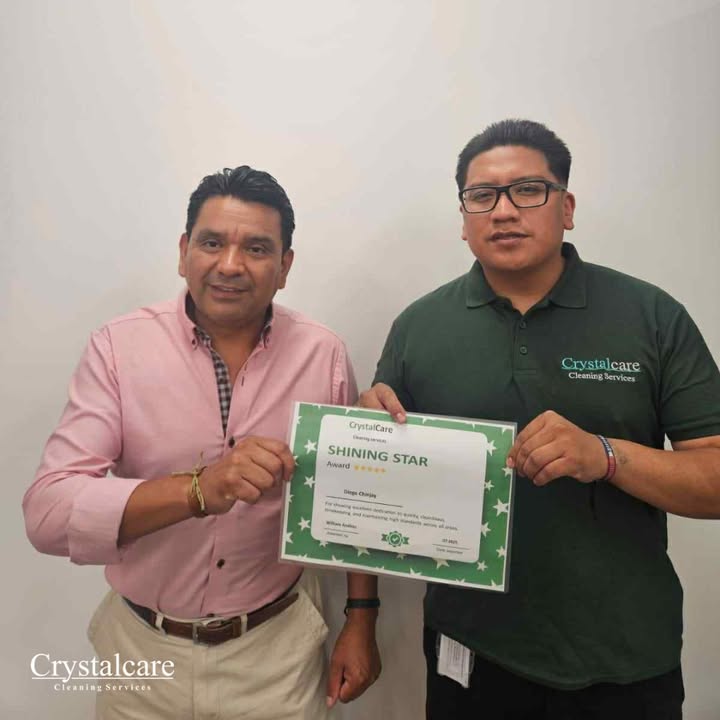
Diego Chinjay: Crystalcare’s Shining Star Recognised By Client Nomination
At Crystalcare Cleaning Services, the highest praise comes not from internal recognition but from the clients who experience our team’s

How To Create A Healthier Workplace With Eco-Friendly Cleaning
Many businesses invest in workplace wellness programmes, yet often overlook the impact of their cleaning practices on employee health and